


No time for BS.
This is where doers meet other doers.
We don't do theatre. This is what we do instead.
Watch the recap


Featured
by Forbes
Our story from the
Forbes event.
From 0 to 200:
How to accelerate your
business without hitting the
brakes prematurely
Karel Wolf
Editor, Forbes Czech Republic, 16. 7. 2026
Building the foundations of a relatively successful business is something quite a few people can manage. The real challenges, however, lie elsewhere. How do you maintain the initial enthusiasm and pace at a later stage, how do you manage to scale the business, or perhaps how do you figuratively install a fighter-jet engine in your Škoda and blast straight from a country road to the stars? That is exactly what the speakers discussed in the Gamechanger fueled by hTWORG session at this year’s Forbes Business Fest.
Most companies, he says, do not actually have so much a problem with growth as with honesty, alignment among people, and the ability to execute. Growth itself is merely a symptom – when a company grows slowly or, on the contrary, starts slowing down, it is usually the result of deeper problems such as insufficient honesty, poor cooperation between departments, or weak execution.
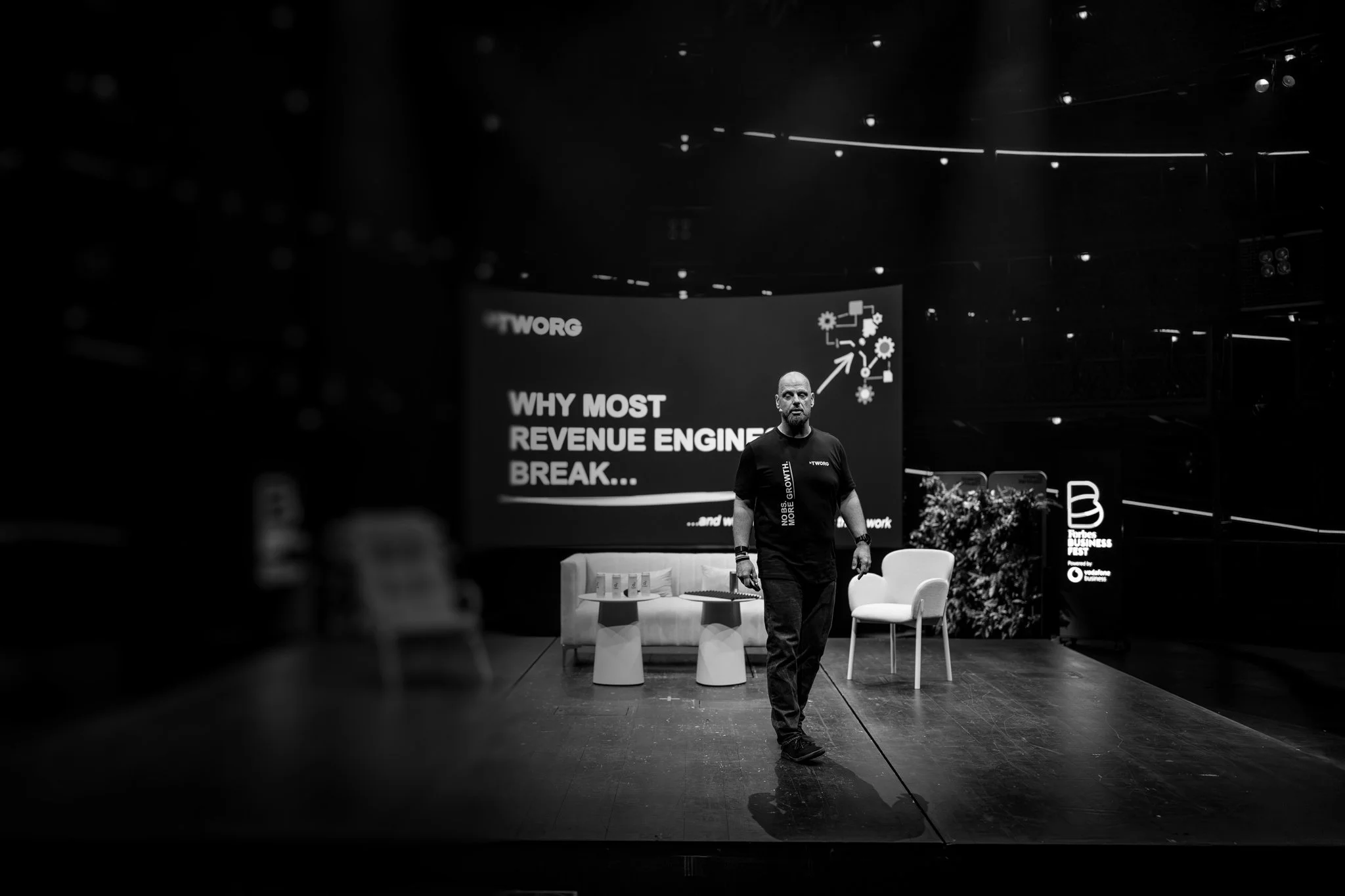
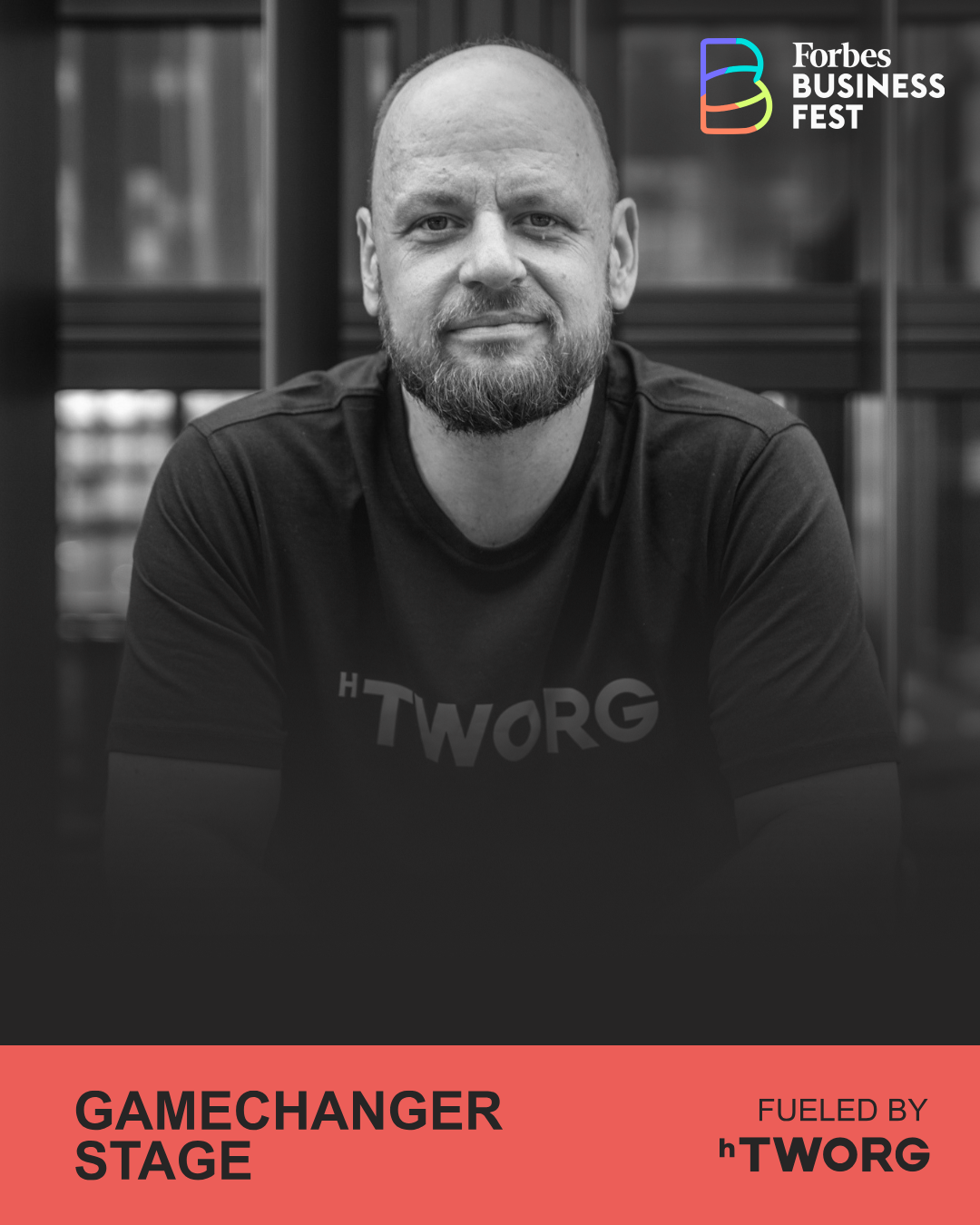
That was the sharp opening shot from the first speaker in the session, Rob Byssz, co-founder of the B2B consulting agency hTworg, which helps companies grow through digital sales and marketing.
“Real growth does not come from using more artificial intelligence, nor from defining more KPIs (key performance indicators – editor’s note), not even from having so many dashboards that even NASA would envy you,” says Byssz.
The whole trick to sustaining growth, according to him, lies in an organization that can translate customer reality into day-to-day decisions and subsequent action without internal distortion. The fact that companies today invest millions in dashboards, AI, and reporting, he says, only increases the visibility of problems and does not improve anything by itself. He compares it to an expensive cinema where all you do is watch that nothing is getting better.
Another problem, according to him, is that today’s management is still largely rooted mentally in the management principles introduced by Frederick Winslow Taylor in 1911 in his book The Principles of Scientific Management. That approach assumes that employees need to be controlled through processes, KPIs, and monitoring. Today, the old principles have merely been replaced with modern software.
So what does he recommend instead? Start with people, not technology. The right order should be people first, then processes, only then data and technology, and finally execution itself. Most of the companies he comes into contact with, however, proceed in exactly the opposite order. Successful companies differ in that they can quickly translate customer reality into management decision-making without distortion or internal filters. The companies that ultimately win in the market, he says, always have one thing in common – the least “bullshit” between customer reality and management decisions.
“Go out among your customers, interview at least three who left you during the past 90 days, and compare their feedback with what you discuss at management meetings. The difference between those two realities will reveal the true source of the company’s problems.”
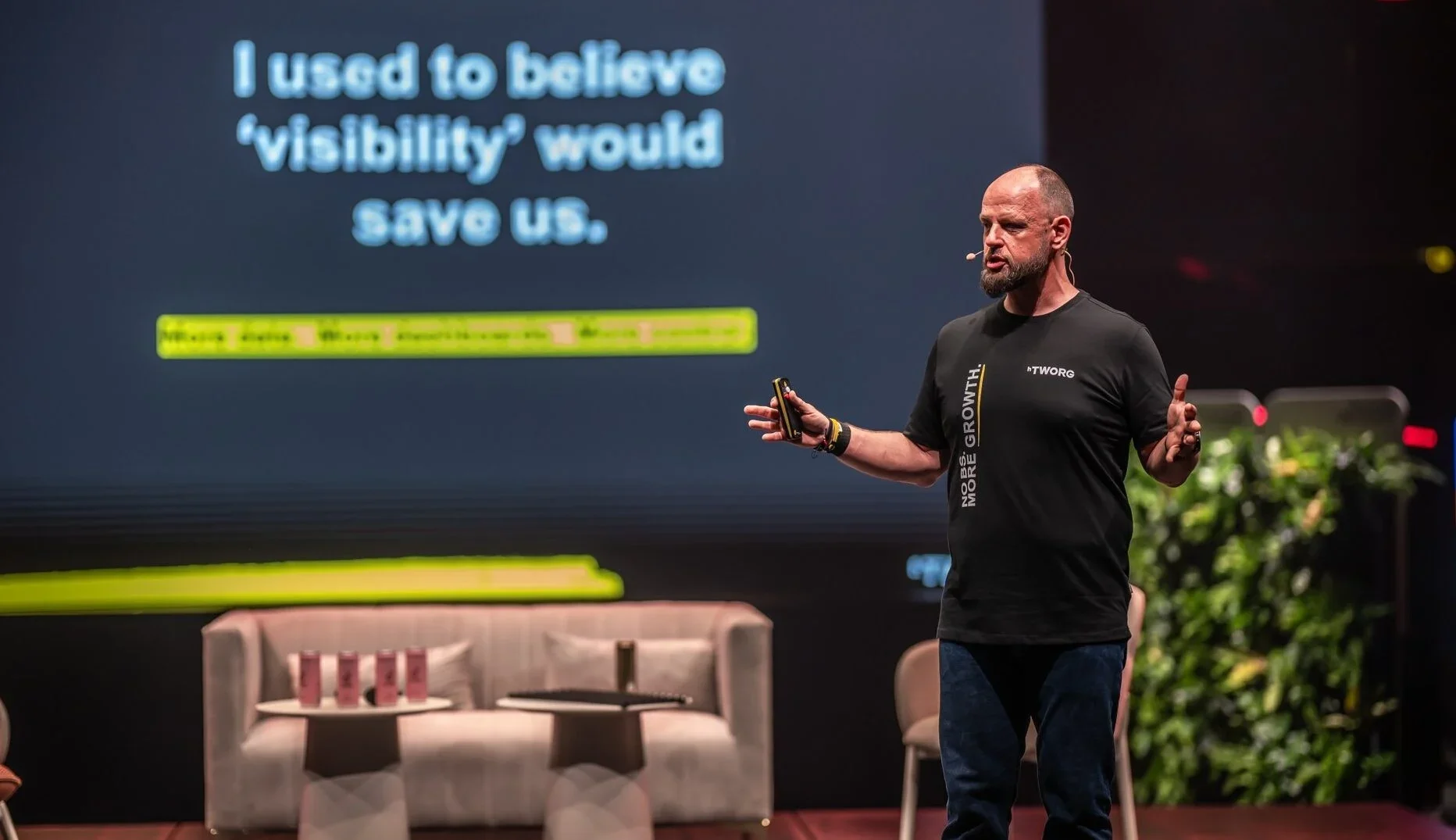
Rob Byssz
Foto: Lukáš Klusák
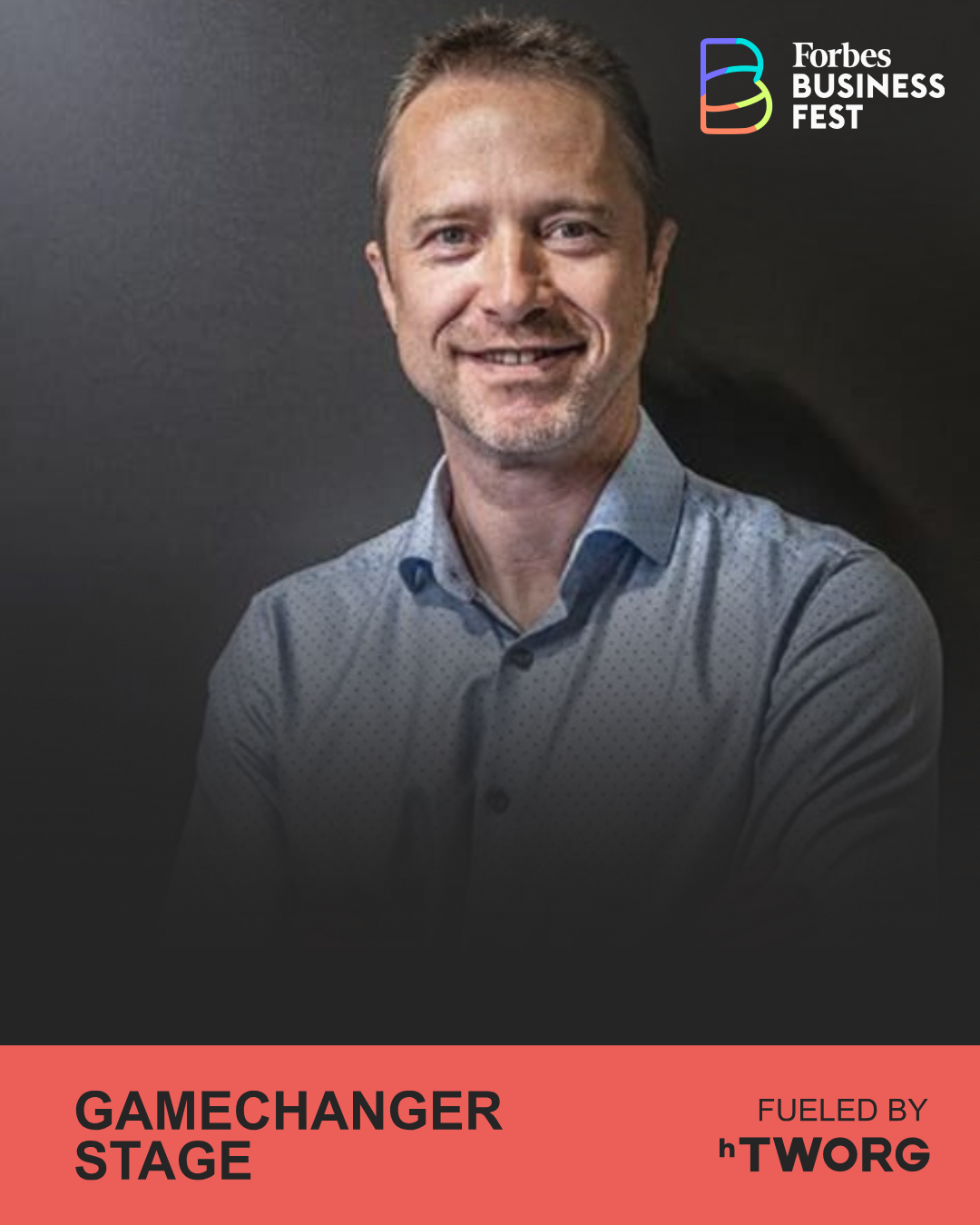
The view that a company’s growth always rests on people was also echoed by the next speaker, Tomáš Vala, now a board member of the family-owned company SIKO Koupelny, where he served as CEO for 11 years. This year, for the first time in the family company’s 35-year history, Vala handed this role over to a hired professional manager.
Vala openly admits that stepping down from the CEO position is psychologically more demanding than running the company itself. A founder has to suppress the need to intervene in day-to-day decisions and learn to trust the new management. Stepping away from running the company, he says, is harder than building it.
Vala describes how, after decades of management, he literally had to fight the urge to send emails and interfere in day-to-day operations. He is deliberately learning to communicate his ideas only through the new CEO. “The new management does some things worse, but many others better. Overall, the change brings more energy and moves the company forward,” he says.
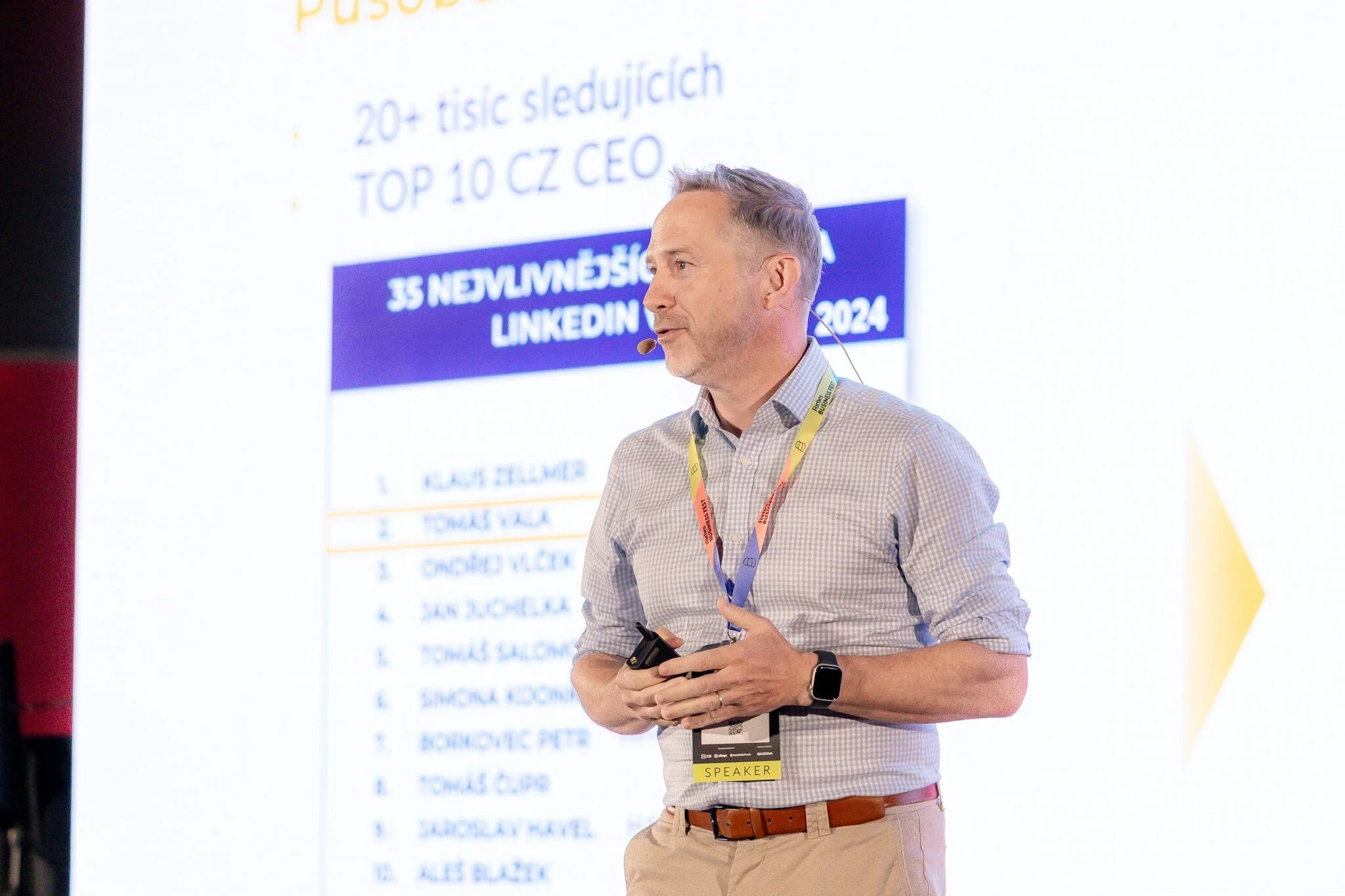
Tomáš Vala
Foto: Roman Pelderl
Not only when choosing a new director, but also when selecting other managers, he places enormous emphasis on understanding their personalities, using unconventional methods such as the Enneagram (a dynamic personality typology). Mutual understanding is often more important for collaboration than hard metrics.
Although Siko is a family business, Vala also adds that a company should not look and behave like a family, but rather like an elite sports team. In other words, it is important to support people in a company while also retaining the ability to change their roles according to how they contribute to results.
Slovak serial entrepreneur and founder of the hugely successful fitness brand GymBeam, Dalibor Cicman, is convinced after all his trial and error with earlier companies that the main recipe for real growth lies above all in focus.
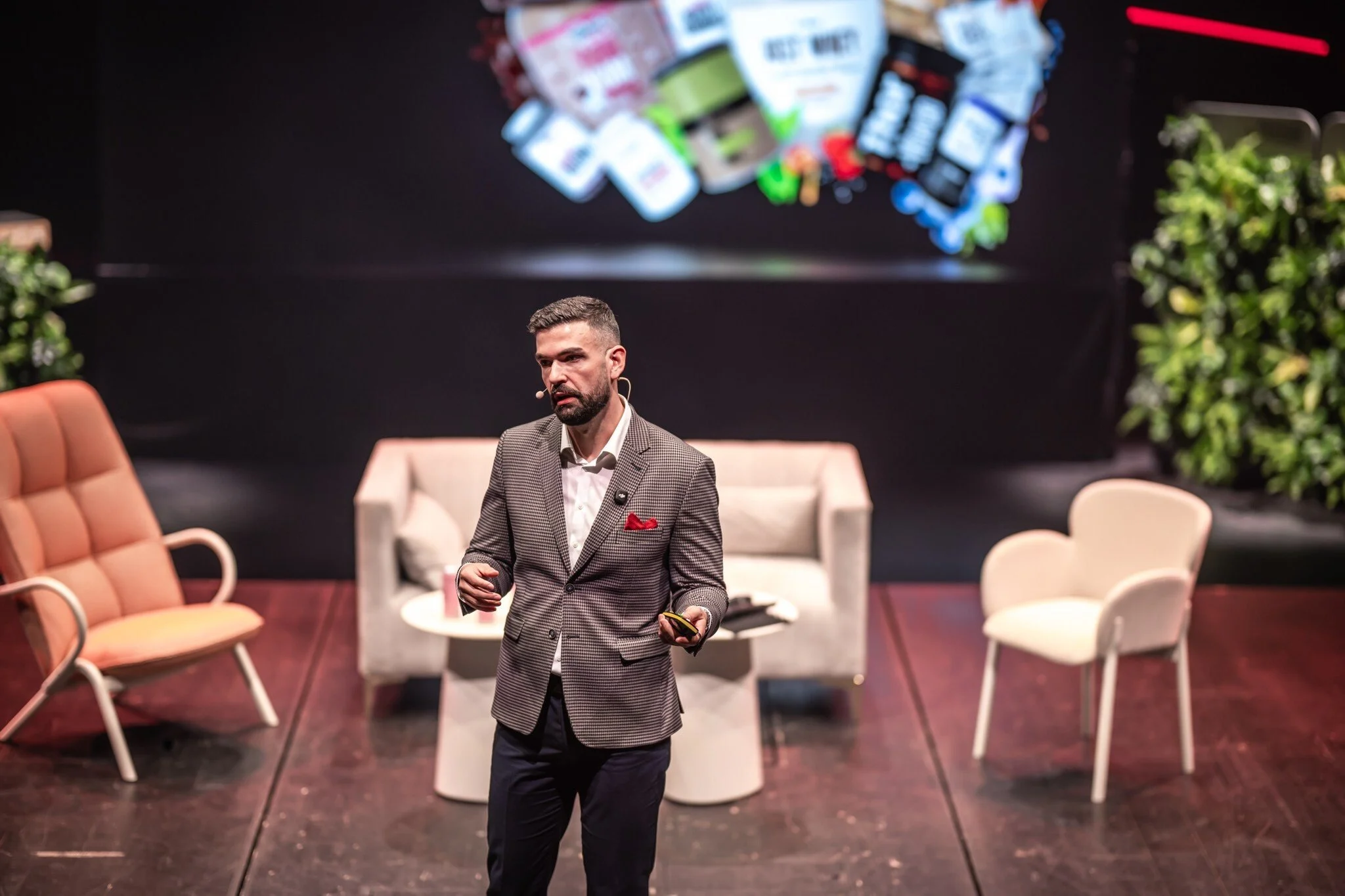
Dalibor Cicman
Foto: Lukáš Klusák
“If you want to build a successful large European or global business, above all you have to forget that the word diversification exists. Diversification protects wealth, but it certainly will not lead you to rapid growth,” says Cicman, adding that the second part of success lies in systematic experimentation. It is only rarely that someone manages to break through thanks to a single groundbreaking idea.
In 2014, he ended his other projects and bet everything on a single card – GymBeam. He did not start building its product offering based on gut feeling; instead, he developed software that gradually analyzed customer searches and the intensity of competition in order to identify the best business opportunities.
“Most of your attempts will fail. What matters is to keep testing new approaches and learn from failures instead of looking for the perfect plan. Success is the result of hundreds of experiments and rapid execution of ideas,” Cicman adds.
GymBeam also did not try to compete with market leaders where they were traditionally strong – in this case, among professional bodybuilders – but instead targeted somewhat overlooked groups such as beginners or women. Nor did it start building the business in the hottest markets; at first, it was content with the smaller markets of Southeastern Europe, which allowed it to build a strong position before moving into the larger ones.
In GymBeam’s case, however, one more trick worked well: cutting out distributors and focusing on direct sales to customers. This made it possible to offer a better price and higher quality at the same time while also maintaining higher margins. And what role does technology play in his business? A huge one. If we look only at GymBeam itself, he says that a large part of its success is also due to the fact that he was a layman in the fitness field at the beginning.
This helped him avoid adopting established practices – and therefore the industry’s bad habits as well – and instead view the entire segment through the eyes of a data analyst. That is precisely how he discovered overlooked customers and created an offering for a much broader clientele.
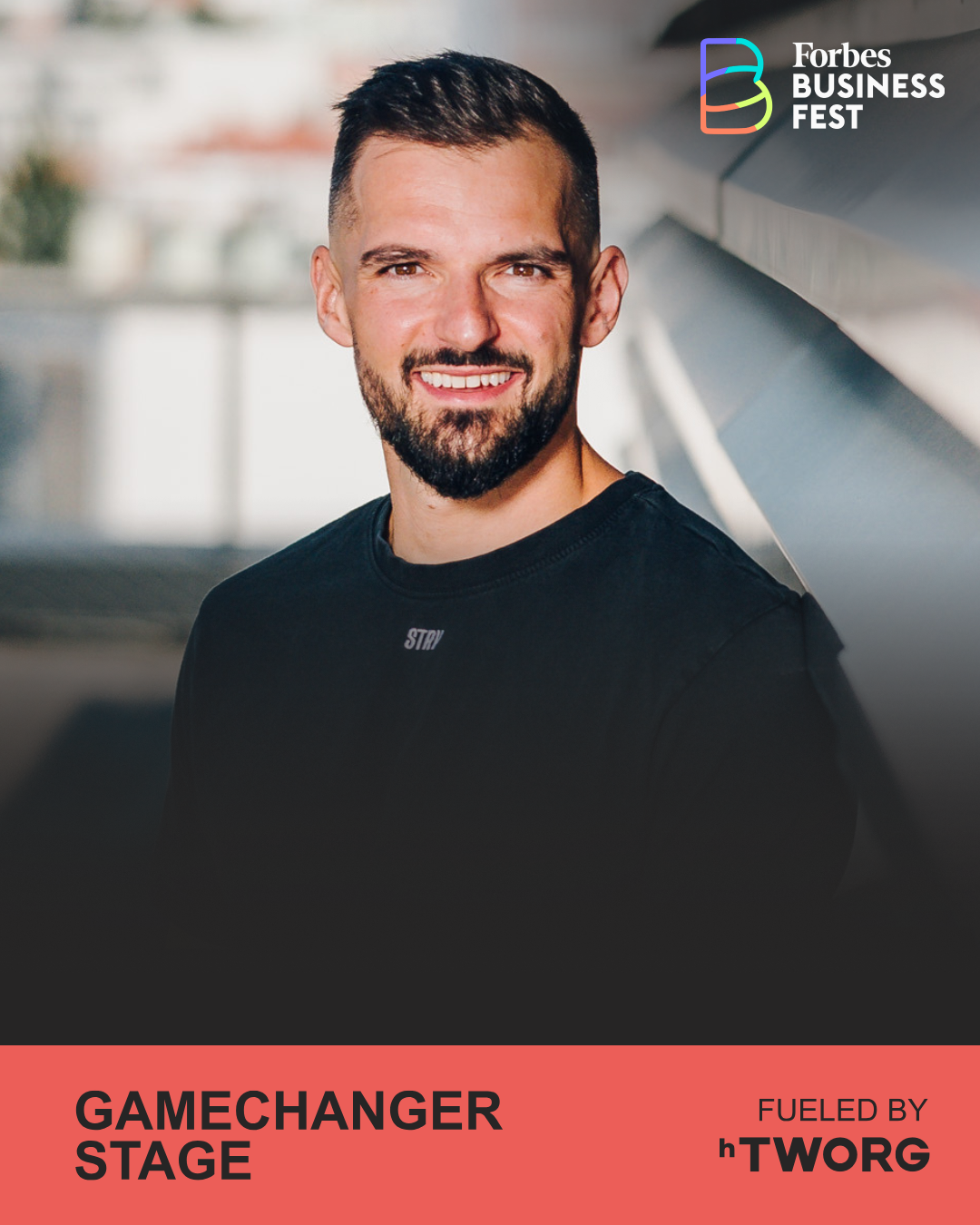
Lubo Smid, one of the four co-founders and later director of the Karlín-based development studio STRV, which made a name for itself with several globally successful applications, discussed in his presentation what to do when, after years of running a relatively successful company, its founder is unable to change. Or, worse still, focuses on micromanagement and begins to become a brake on further growth.
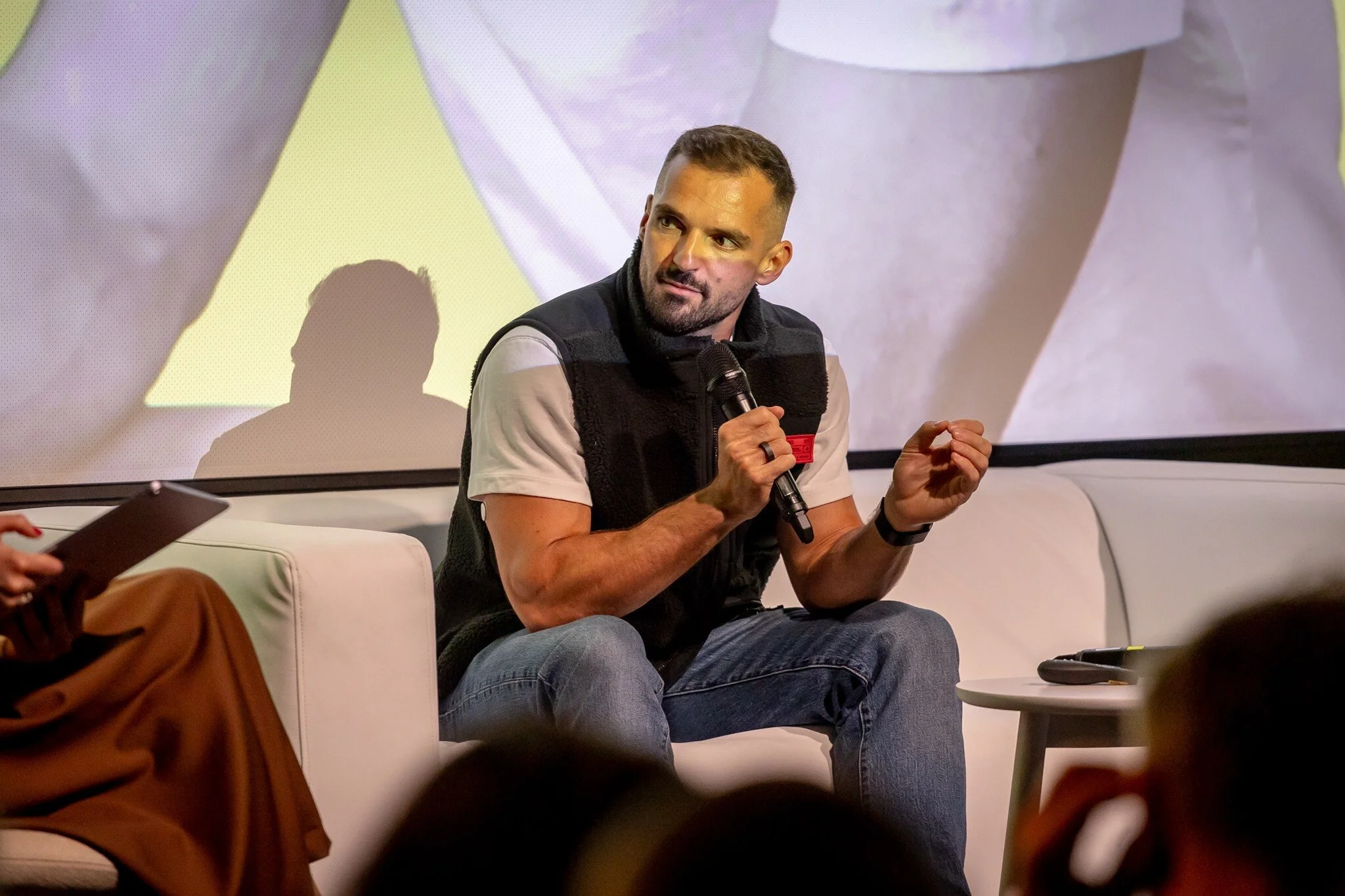
Dalibor Cicman
Foto: Jiří Prokop
“A company stops growing the moment its founder remains the bottleneck. The CEO’s real job is not to be the best specialist, but to create a team, strategy, and culture that work even without him,” he says, adding that he himself went through this phase, when he was the one holding the company back. He also adds: “Your greatest success is not always rapid growth, but the ability to keep building a company with the same enthusiasm even after fifteen years.”
Like Tomáš Vala, Lubo Smid says that a founder must know how to replace himself at the right moment. His own biggest mistake in this regard, he says, was that he remained the company’s chief salesperson for too long and failed to delegate sales and marketing to specialists in time.
“You cannot run a premium company through micromanagement,” Smid explains, adding that you do, however, need to clearly define company values that are reflected in hiring, decision-making, and product delivery.
But he adds one more important point: the American approach of optimism at all costs is not always the best strategy. “In difficult periods, employees expect openness. A CEO should be an optimist, but must not sugarcoat reality,” he adds, explaining that a CEO should above all be a kind of “chief cheerleader” – someone who gives the team energy. Personally, he draws motivation from the fact that STRV works with sports and fitness brands, an area that he himself enjoys.
Featured
by Forbes
Our story from the
Forbes event.
From 0 to 200:
How to accelerate your
business without hitting the
brakes prematurely
Karel Wolf
Editor, Forbes Czech Republic, 16. 7. 2026
Building the foundations of a relatively successful business is something quite a few people can manage. The real challenges, however, lie elsewhere. How do you maintain the initial enthusiasm and pace at a later stage, how do you manage to scale the business, or perhaps how do you figuratively install a fighter-jet engine in your Škoda and blast straight from a country road to the stars? That is exactly what the speakers discussed in the Gamechanger fueled by hTWORG session at this year’s Forbes Business Fest.
Most companies, he says, do not actually have so much a problem with growth as with honesty, alignment among people, and the ability to execute. Growth itself is merely a symptom – when a company grows slowly or, on the contrary, starts slowing down, it is usually the result of deeper problems such as insufficient honesty, poor cooperation between departments, or weak execution.
That was the sharp opening shot from the first speaker in the session, Rob Byssz, co-founder of the B2B consulting agency hTworg, which helps companies grow through digital sales and marketing.
“Real growth does not come from using more artificial intelligence, nor from defining more KPIs (key performance indicators – editor’s note), not even from having so many dashboards that even NASA would envy you,” says Byssz.
The whole trick to sustaining growth, according to him, lies in an organization that can translate customer reality into day-to-day decisions and subsequent action without internal distortion. The fact that companies today invest millions in dashboards, AI, and reporting, he says, only increases the visibility of problems and does not improve anything by itself. He compares it to an expensive cinema where all you do is watch that nothing is getting better.
Another problem, according to him, is that today’s management is still largely rooted mentally in the management principles introduced by Frederick Winslow Taylor in 1911 in his book The Principles of Scientific Management. That approach assumes that employees need to be controlled through processes, KPIs, and monitoring. Today, the old principles have merely been replaced with modern software.
So what does he recommend instead? Start with people, not technology. The right order should be people first, then processes, only then data and technology, and finally execution itself. Most of the companies he comes into contact with, however, proceed in exactly the opposite order. Successful companies differ in that they can quickly translate customer reality into management decision-making without distortion or internal filters. The companies that ultimately win in the market, he says, always have one thing in common – the least “bullshit” between customer reality and management decisions.
“Go out among your customers, interview at least three who left you during the past 90 days, and compare their feedback with what you discuss at management meetings. The difference between those two realities will reveal the true source of the company’s problems.”
Rob Byssz
Foto: Lukáš Klusák
The view that a company’s growth always rests on people was also echoed by the next speaker, Tomáš Vala, now a board member of the family-owned company SIKO Koupelny, where he served as CEO for 11 years. This year, for the first time in the family company’s 35-year history, Vala handed this role over to a hired professional manager.
Vala openly admits that stepping down from the CEO position is psychologically more demanding than running the company itself. A founder has to suppress the need to intervene in day-to-day decisions and learn to trust the new management. Stepping away from running the company, he says, is harder than building it.
Vala describes how, after decades of management, he literally had to fight the urge to send emails and interfere in day-to-day operations. He is deliberately learning to communicate his ideas only through the new CEO. “The new management does some things worse, but many others better. Overall, the change brings more energy and moves the company forward,” he says.
Tomáš Vala
Foto: Roman Pelderl
Not only when choosing a new director, but also when selecting other managers, he places enormous emphasis on understanding their personalities, using unconventional methods such as the Enneagram (a dynamic personality typology). Mutual understanding is often more important for collaboration than hard metrics.
Although Siko is a family business, Vala also adds that a company should not look and behave like a family, but rather like an elite sports team. In other words, it is important to support people in a company while also retaining the ability to change their roles according to how they contribute to results.
Slovak serial entrepreneur and founder of the hugely successful fitness brand GymBeam, Dalibor Cicman, is convinced after all his trial and error with earlier companies that the main recipe for real growth lies above all in focus.
Dalibor Cicman
Foto: Lukáš Klusák
“If you want to build a successful large European or global business, above all you have to forget that the word diversification exists. Diversification protects wealth, but it certainly will not lead you to rapid growth,” says Cicman, adding that the second part of success lies in systematic experimentation. It is only rarely that someone manages to break through thanks to a single groundbreaking idea.
In 2014, he ended his other projects and bet everything on a single card – GymBeam. He did not start building its product offering based on gut feeling; instead, he developed software that gradually analyzed customer searches and the intensity of competition in order to identify the best business opportunities.
“Most of your attempts will fail. What matters is to keep testing new approaches and learn from failures instead of looking for the perfect plan. Success is the result of hundreds of experiments and rapid execution of ideas,” Cicman adds.
GymBeam also did not try to compete with market leaders where they were traditionally strong – in this case, among professional bodybuilders – but instead targeted somewhat overlooked groups such as beginners or women. Nor did it start building the business in the hottest markets; at first, it was content with the smaller markets of Southeastern Europe, which allowed it to build a strong position before moving into the larger ones.
In GymBeam’s case, however, one more trick worked well: cutting out distributors and focusing on direct sales to customers. This made it possible to offer a better price and higher quality at the same time while also maintaining higher margins. And what role does technology play in his business? A huge one. If we look only at GymBeam itself, he says that a large part of its success is also due to the fact that he was a layman in the fitness field at the beginning.
This helped him avoid adopting established practices – and therefore the industry’s bad habits as well – and instead view the entire segment through the eyes of a data analyst. That is precisely how he discovered overlooked customers and created an offering for a much broader clientele.
Lubo Smid, one of the four co-founders and later director of the Karlín-based development studio STRV, which made a name for itself with several globally successful applications, discussed in his presentation what to do when, after years of running a relatively successful company, its founder is unable to change. Or, worse still, focuses on micromanagement and begins to become a brake on further growth.
Dalibor Cicman
Foto: Jiří Prokop
“A company stops growing the moment its founder remains the bottleneck. The CEO’s real job is not to be the best specialist, but to create a team, strategy, and culture that work even without him,” he says, adding that he himself went through this phase, when he was the one holding the company back. He also adds: “Your greatest success is not always rapid growth, but the ability to keep building a company with the same enthusiasm even after fifteen years.”
Like Tomáš Vala, Lubo Smid says that a founder must know how to replace himself at the right moment. His own biggest mistake in this regard, he says, was that he remained the company’s chief salesperson for too long and failed to delegate sales and marketing to specialists in time.
“You cannot run a premium company through micromanagement,” Smid explains, adding that you do, however, need to clearly define company values that are reflected in hiring, decision-making, and product delivery.
But he adds one more important point: the American approach of optimism at all costs is not always the best strategy. “In difficult periods, employees expect openness. A CEO should be an optimist, but must not sugarcoat reality,” he adds, explaining that a CEO should above all be a kind of “chief cheerleader” – someone who gives the team energy. Personally, he draws motivation from the fact that STRV works with sports and fitness brands, an area that he himself enjoys.
Featured by Forbes
Our story from the Forbes event.
From 0 to 200:
How to accelerate your
business without hitting the
brakes prematurely
Karel Wolf
Editor, Forbes Czech Republic, 16. 7. 2026
Building the foundations of a relatively successful business is something quite a few people can manage. The real challenges, however, lie elsewhere. How do you maintain the initial enthusiasm and pace at a later stage, how do you manage to scale the business, or perhaps how do you figuratively install a fighter-jet engine in your Škoda and blast straight from a country road to the stars? That is exactly what the speakers discussed in the Gamechanger fueled by hTWORG session at this year’s Forbes Business Fest.
Most companies, he says, do not actually have so much a problem with growth as with honesty, alignment among people, and the ability to execute. Growth itself is merely a symptom – when a company grows slowly or, on the contrary, starts slowing down, it is usually the result of deeper problems such as insufficient honesty, poor cooperation between departments, or weak execution.
That was the sharp opening shot from the first speaker in the session, Rob Byssz, co-founder of the B2B consulting agency hTworg, which helps companies grow through digital sales and marketing.
“Real growth does not come from using more artificial intelligence, nor from defining more KPIs (key performance indicators – editor’s note), not even from having so many dashboards that even NASA would envy you,” says Byssz.
The whole trick to sustaining growth, according to him, lies in an organization that can translate customer reality into day-to-day decisions and subsequent action without internal distortion. The fact that companies today invest millions in dashboards, AI, and reporting, he says, only increases the visibility of problems and does not improve anything by itself. He compares it to an expensive cinema where all you do is watch that nothing is getting better.
Another problem, according to him, is that today’s management is still largely rooted mentally in the management principles introduced by Frederick Winslow Taylor in 1911 in his book The Principles of Scientific Management. That approach assumes that employees need to be controlled through processes, KPIs, and monitoring. Today, the old principles have merely been replaced with modern software.
So what does he recommend instead? Start with people, not technology. The right order should be people first, then processes, only then data and technology, and finally execution itself. Most of the companies he comes into contact with, however, proceed in exactly the opposite order. Successful companies differ in that they can quickly translate customer reality into management decision-making without distortion or internal filters. The companies that ultimately win in the market, he says, always have one thing in common – the least “bullshit” between customer reality and management decisions.
“Go out among your customers, interview at least three who left you during the past 90 days, and compare their feedback with what you discuss at management meetings. The difference between those two realities will reveal the true source of the company’s problems.”
Rob Byssz
Foto: Lukáš Klusák
The view that a company’s growth always rests on people was also echoed by the next speaker, Tomáš Vala, now a board member of the family-owned company SIKO Koupelny, where he served as CEO for 11 years. This year, for the first time in the family company’s 35-year history, Vala handed this role over to a hired professional manager.
Vala openly admits that stepping down from the CEO position is psychologically more demanding than running the company itself. A founder has to suppress the need to intervene in day-to-day decisions and learn to trust the new management. Stepping away from running the company, he says, is harder than building it.
Vala describes how, after decades of management, he literally had to fight the urge to send emails and interfere in day-to-day operations. He is deliberately learning to communicate his ideas only through the new CEO. “The new management does some things worse, but many others better. Overall, the change brings more energy and moves the company forward,” he says.
Tomáš Vala
Foto: Roman Pelderl
Not only when choosing a new director, but also when selecting other managers, he places enormous emphasis on understanding their personalities, using unconventional methods such as the Enneagram (a dynamic personality typology). Mutual understanding is often more important for collaboration than hard metrics.
Although Siko is a family business, Vala also adds that a company should not look and behave like a family, but rather like an elite sports team. In other words, it is important to support people in a company while also retaining the ability to change their roles according to how they contribute to results.
Slovak serial entrepreneur and founder of the hugely successful fitness brand GymBeam, Dalibor Cicman, is convinced after all his trial and error with earlier companies that the main recipe for real growth lies above all in focus.
Dalibor Cicman
Foto: Lukáš Klusák
“If you want to build a successful large European or global business, above all you have to forget that the word diversification exists. Diversification protects wealth, but it certainly will not lead you to rapid growth,” says Cicman, adding that the second part of success lies in systematic experimentation. It is only rarely that someone manages to break through thanks to a single groundbreaking idea.
In 2014, he ended his other projects and bet everything on a single card – GymBeam. He did not start building its product offering based on gut feeling; instead, he developed software that gradually analyzed customer searches and the intensity of competition in order to identify the best business opportunities.
“Most of your attempts will fail. What matters is to keep testing new approaches and learn from failures instead of looking for the perfect plan. Success is the result of hundreds of experiments and rapid execution of ideas,” Cicman adds.
GymBeam also did not try to compete with market leaders where they were traditionally strong – in this case, among professional bodybuilders – but instead targeted somewhat overlooked groups such as beginners or women. Nor did it start building the business in the hottest markets; at first, it was content with the smaller markets of Southeastern Europe, which allowed it to build a strong position before moving into the larger ones.
In GymBeam’s case, however, one more trick worked well: cutting out distributors and focusing on direct sales to customers. This made it possible to offer a better price and higher quality at the same time while also maintaining higher margins. And what role does technology play in his business? A huge one. If we look only at GymBeam itself, he says that a large part of its success is also due to the fact that he was a layman in the fitness field at the beginning.
This helped him avoid adopting established practices – and therefore the industry’s bad habits as well – and instead view the entire segment through the eyes of a data analyst. That is precisely how he discovered overlooked customers and created an offering for a much broader clientele.
Lubo Smid, one of the four co-founders and later director of the Karlín-based development studio STRV, which made a name for itself with several globally successful applications, discussed in his presentation what to do when, after years of running a relatively successful company, its founder is unable to change. Or, worse still, focuses on micromanagement and begins to become a brake on further growth.
Dalibor Cicman
Foto: Jiří Prokop
“A company stops growing the moment its founder remains the bottleneck. The CEO’s real job is not to be the best specialist, but to create a team, strategy, and culture that work even without him,” he says, adding that he himself went through this phase, when he was the one holding the company back. He also adds: “Your greatest success is not always rapid growth, but the ability to keep building a company with the same enthusiasm even after fifteen years.”
Like Tomáš Vala, Lubo Smid says that a founder must know how to replace himself at the right moment. His own biggest mistake in this regard, he says, was that he remained the company’s chief salesperson for too long and failed to delegate sales and marketing to specialists in time.
“You cannot run a premium company through micromanagement,” Smid explains, adding that you do, however, need to clearly define company values that are reflected in hiring, decision-making, and product delivery.
But he adds one more important point: the American approach of optimism at all costs is not always the best strategy. “In difficult periods, employees expect openness. A CEO should be an optimist, but must not sugarcoat reality,” he adds, explaining that a CEO should above all be a kind of “chief cheerleader” – someone who gives the team energy. Personally, he draws motivation from the fact that STRV works with sports and fitness brands, an area that he himself enjoys.
Lubo Smid
CEO @ STRV
Tomáš Vala
CEO @ SIKO
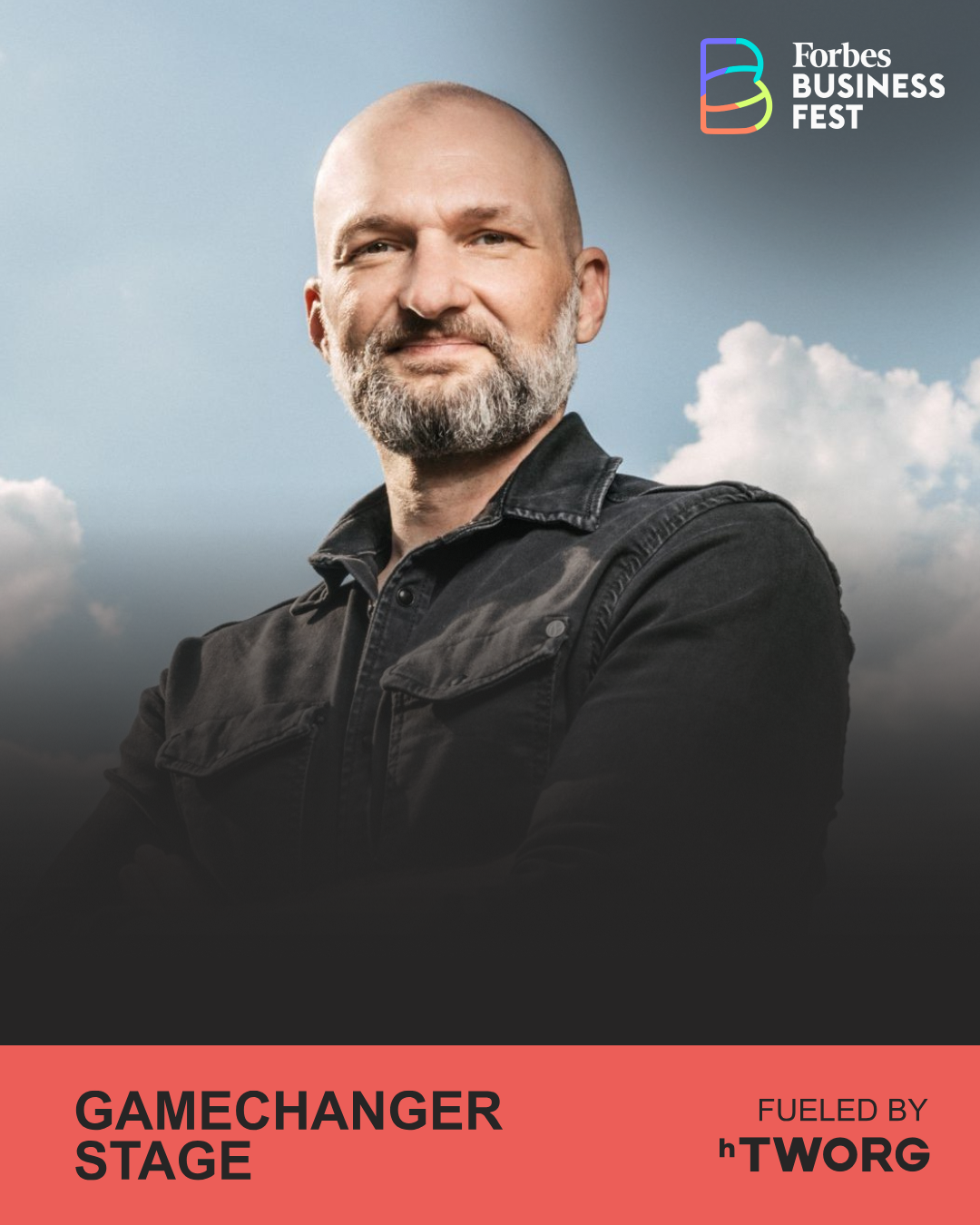
Rob Byssz
Founder @ hTWORG
Speakers
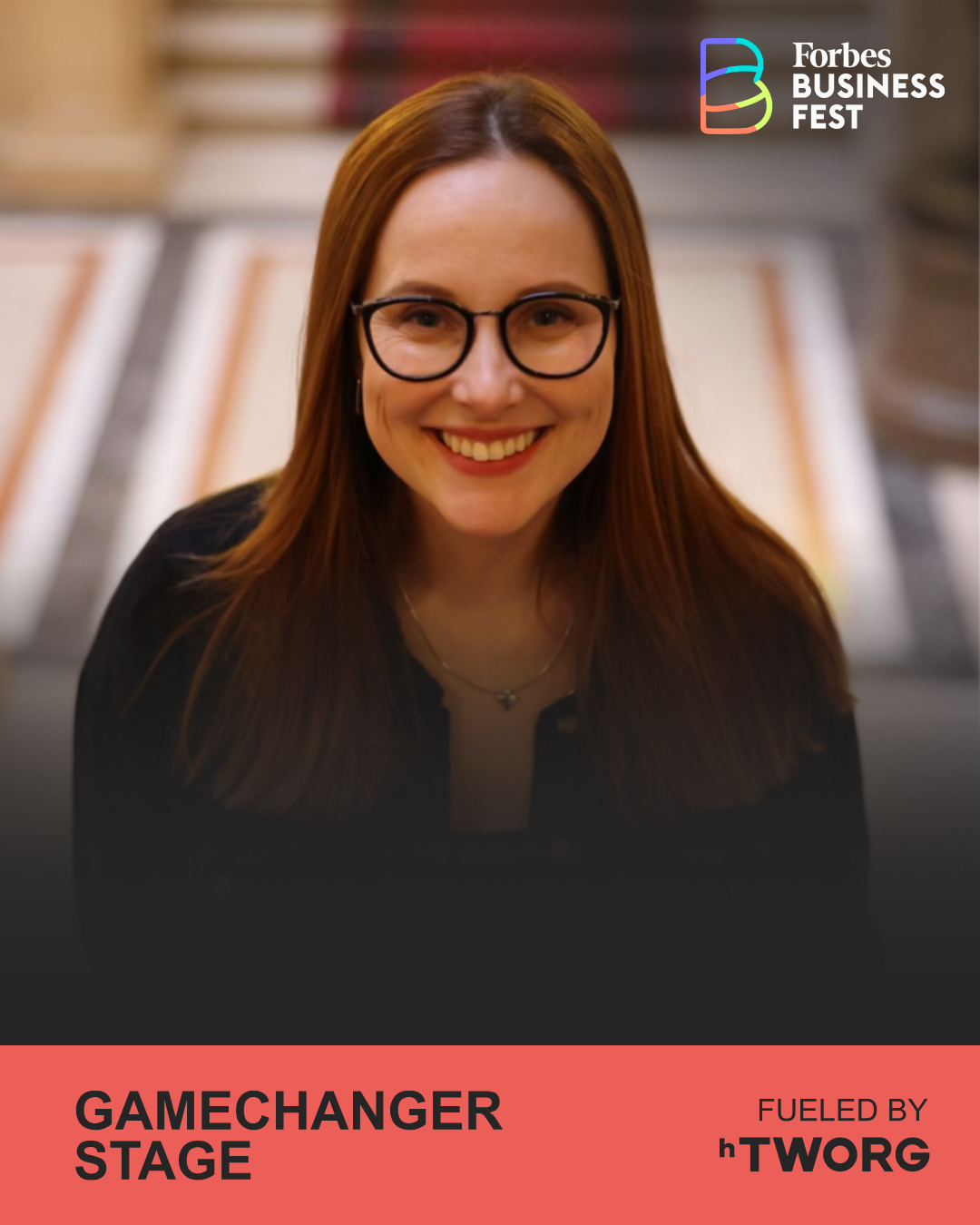
Daria Hvizdalova
Head of Al Adoption @ Make
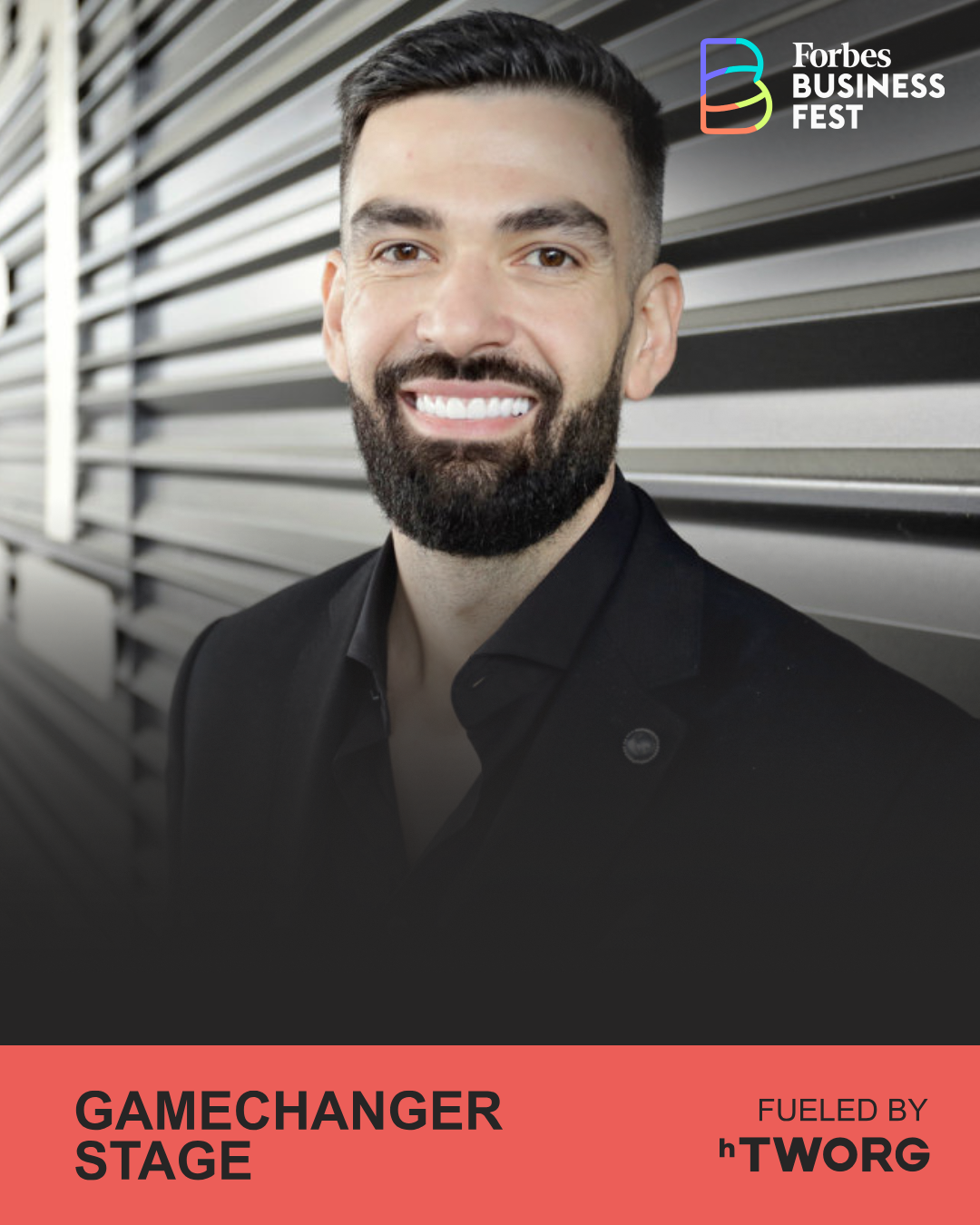
Dalibor Cicman
CEO & Founder @ GymBeam
Adam Dolnik
Global (Crisis) Negotiator

Musil Family
Founders & Leadership @ LIKO-S
3 things people took away

Focus
What matters
most right now.

Clarity
How to grow in
uncertain times.

Momentum
Next moves you can
act on immediately.
OUR EXPERTS
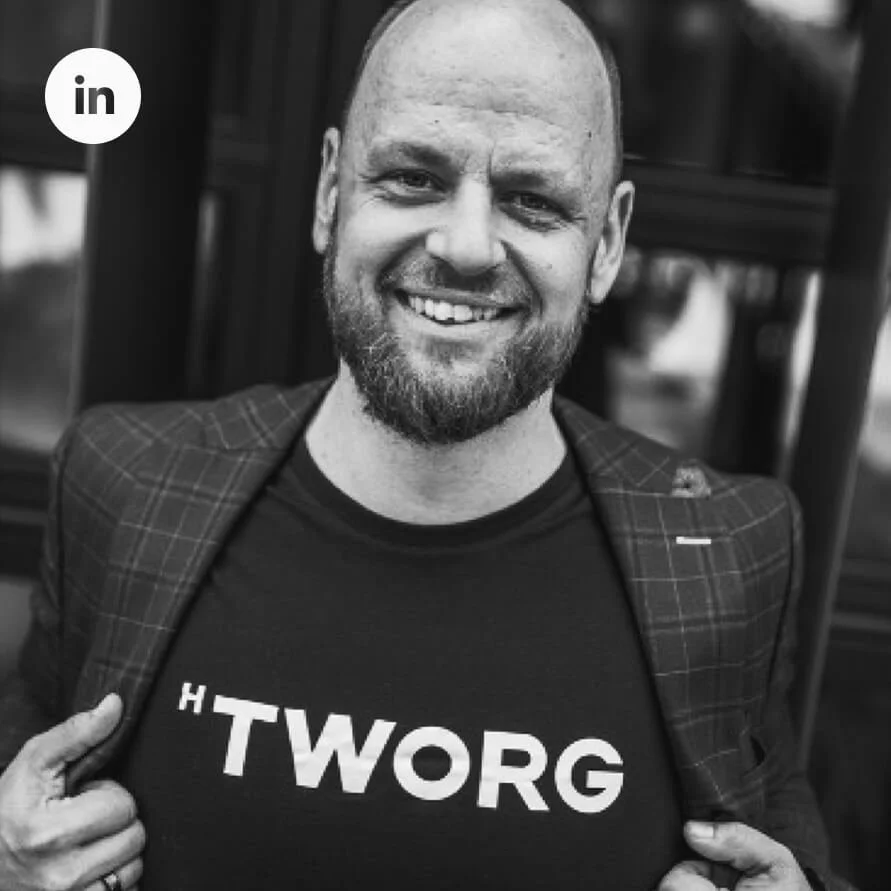
Rob Byssz
Expertise:
Global account management
Leading commercial teams at scale
Sales process execution across complex organizations
Miklos Marosvary
Expertise:
Building and leading international execution teams
Operational management across growth stages
Henrike Wilkens
Expertise:
Brand and innovation strategy for global companies
Market expansion and positioning
Account-based Marketing and communication
Ferenc Mátyás
Expertise:
Pipeline execution and operational momentum
Business transformation and scaling
Aligning teams around execution
Andras Ivanyi
Expertise:
AI integration for B2B organizations
Aligning AI tools with human workflows
Helping teams use AI practically across daily operations
Illes Gallo
Expertise:
Building, leading, executing international customer acquiring projects
Commercial execution and pipeline growth
Complex deal negotiation and closing
Balazs Szima-Marmarosi
Expertise:
Growth and expansion for scaleups
Value proposition development
Commercial positioning and market clarity
GET IN TOUCH
Do you have a B2B PROBLEM that needs to be solved?
WE ARE EXCITED.
LET’S SOLVE IT TOGETHER.